
Live Model Training
- Nobelis Academy
- Jul 4
- 4 min read

Entering the field of aesthetics offers a rewarding career helping people feel confident and look their best. The UK’s aesthetics industry is growing rapidly, with increasing demand for skilled practitioners who can deliver safe, effective treatments. If you want to become a qualified aesthetics practitioner, understanding the pathway from beginner to advanced clinical skin therapies is essential. This guide breaks down the steps you need to take to build your skills, gain qualifications, and establish a successful career in aesthetics.

Understanding the Role of an Aesthetics Practitioner
Aesthetics practitioners provide non-surgical cosmetic treatments designed to improve skin appearance and address concerns such as wrinkles, pigmentation, and acne scarring. Treatments include injectables like Botox and dermal fillers, chemical peels, microdermabrasion, and advanced skin therapies. Practitioners must combine technical skill with a strong understanding of skin anatomy, safety protocols, and client care.
The role requires precision, professionalism, and ongoing education to keep up with new techniques and regulations. Many practitioners work in clinics, salons, or medical spas, while some establish their own businesses.
Step 1: Build a Strong Foundation with Basic Qualifications
Before performing advanced treatments, you need a solid foundation in skincare and anatomy. Most UK aesthetics courses require candidates to have a background in healthcare or beauty therapy, but beginners can start with entry-level qualifications.
Recommended Starting Points
Level 2 Diploma in Beauty Therapy
This qualification covers essential skincare, hygiene, and client consultation skills. It provides a good introduction to the industry and is often a prerequisite for advanced aesthetics courses.
Level 3 Diploma in Anatomy and Physiology
Understanding the structure and function of skin, muscles, and nerves is critical. This diploma ensures you grasp the biological basis for treatments.
First Aid Certification
Safety is paramount. Completing a first aid course prepares you to handle emergencies during treatments.
These qualifications establish your credibility and prepare you for more specialised training.
Step 2: Gain Accredited Aesthetics Training
Once you have foundational knowledge, the next step is to enrol in accredited aesthetics courses. Look for providers recognised by professional bodies such as the British Association of Beauty Therapy & Cosmetology (BABTAC) or the Joint Council for Cosmetic Practitioners (JCCP).
Core Courses to Consider
Level 4 Diploma in Injectables (Botox and Dermal Fillers)
This advanced course teaches you how to safely administer injectables, including facial anatomy, injection techniques, and managing complications.
Chemical Peel Training
Learn how to perform chemical peels to improve skin texture and tone. Training covers peel types, skin assessment, and aftercare.
Microneedling and Advanced Skin Therapies
These courses focus on stimulating collagen production and treating various skin conditions.
Course Selection Tips
Choose courses with practical assessments and supervised clinical practice.
Verify the course provider’s reputation and accreditation.
Ensure the curriculum covers health and safety, client consultation, and legal responsibilities.
Step 3: Register with a Professional Body
Professional registration is not legally mandatory in the UK, but it significantly enhances your credibility and client trust. Organisations like the JCCP maintain registers of qualified practitioners who meet strict standards.
Benefits of Registration
Access to ongoing training and resources.
Professional insurance options.
Networking opportunities with other practitioners.
Demonstrates commitment to ethical practice.
Registering also helps you stay updated on regulatory changes and best practices.
Step 4: Gain Practical Experience
Hands-on experience is crucial to becoming confident and competent. Many training courses include supervised clinical practice, but additional experience is valuable.
Ways to Build Experience
Work as an apprentice or assistant in an established clinic.
Volunteer for skin treatment trials or charity events.
Offer treatments to friends or family under supervision.
Document your treatments and client feedback to build a portfolio. This evidence supports your skills when applying for jobs or insurance.
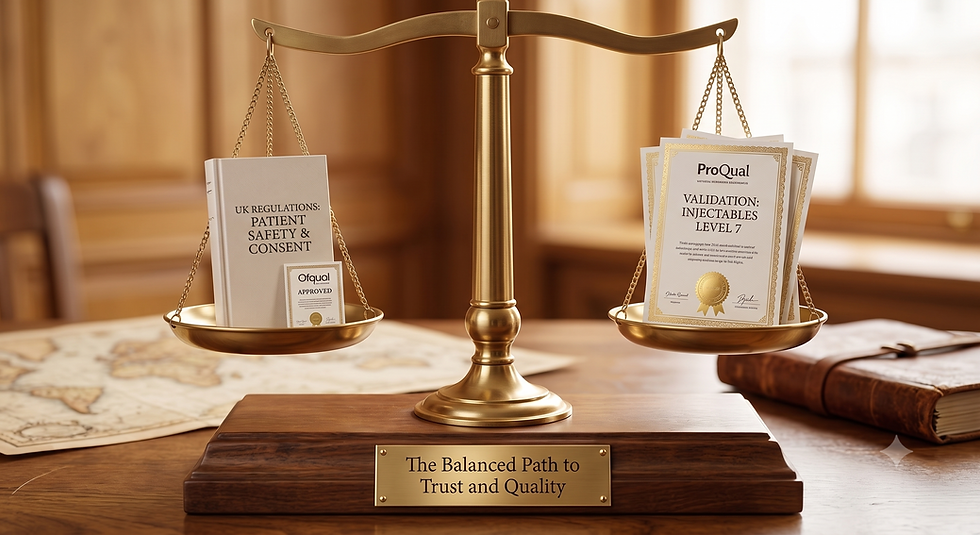
Step 5: Understand Legal and Ethical Responsibilities
Aesthetics practitioners must follow strict legal and ethical guidelines to protect clients and themselves. Key areas include:
Informed Consent: Clearly explain procedures, risks, and aftercare to clients.
Data Protection: Safeguard client information according to GDPR.
Health and Safety: Maintain a clean, safe environment and use sterile equipment.
Advertising Standards: Avoid misleading claims about treatments.
Familiarise yourself with the UK’s regulations and professional codes of conduct. This knowledge reduces risk and builds client confidence.
Step 6: Continue Professional Development
The aesthetics industry evolves quickly with new treatments and technologies. Committing to lifelong learning keeps your skills sharp and your practice competitive.
Ways to Stay Updated
Attend workshops and conferences.
Subscribe to industry journals.
Join professional forums and networks.
Take refresher courses and advanced certifications.
Continuing professional development (CPD) is often required by professional bodies to maintain registration.
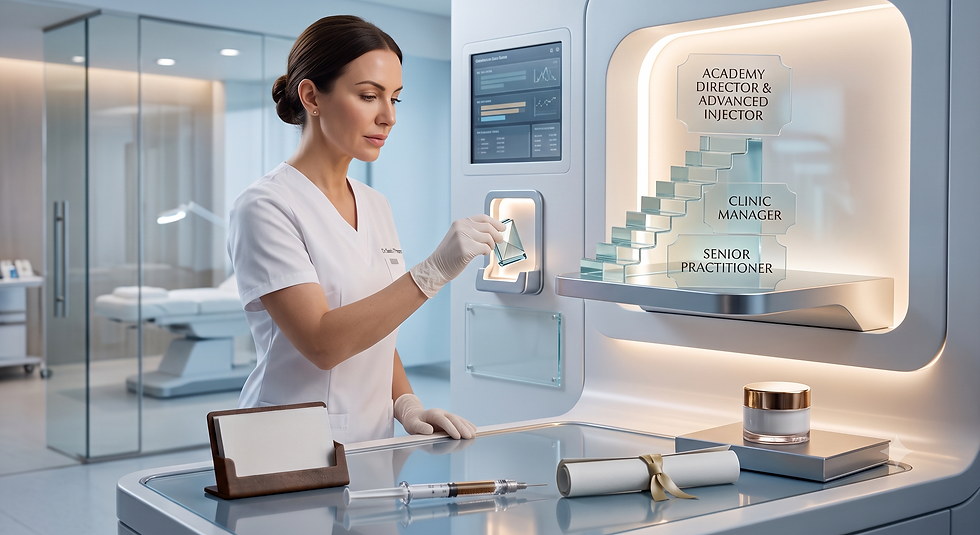
Step 7: Consider Specialising or Expanding Your Services
After gaining experience, you might choose to specialise in a particular area such as advanced injectables, skin rejuvenation, or medical aesthetics. Specialisation can increase your earning potential and attract a niche client base.
Alternatively, expanding your services to include complementary treatments like laser therapy or nutrition advice can enhance your practice’s appeal.
Final Thoughts on Building Your Aesthetics Career
Becoming a qualified aesthetics practitioner in the UK involves a clear progression from foundational knowledge to advanced clinical skills. By following this pathway, you build the expertise and confidence needed to deliver safe, effective treatments. Prioritise accredited training, practical experience, and professional registration to stand out in this competitive field.
If you are passionate about skincare and helping others look and feel their best, the aesthetics industry offers a fulfilling career with many opportunities for growth. Start your journey today by researching accredited courses and planning your next steps.
Comments